
Q&A: Scientist Dr. Matt Hirshberg on Training the ‘Intellect and the Heart’ in Educational Systems
From middle school teacher to Center for Healthy Minds researcher: Expert Dr. Matt Hirshberg is leading research and shaping the global conversation on wellbeing in education and healthcare systems.
November 13, 2026
In research meetings and presentations at the Center for Healthy Minds (CHM), Dr. Matt Hirshberg often poses assertions that stick with you. As a research professor, he not only studies aspects of education and wellbeing but he also was a middle-school teacher. In fact, he might have you rethinking your entire experience of schooling. The educational system, he points out, is a massive behavioral intervention almost all of us participate in but do not consent to.
“Every structure, every pedagogia, every curricula. It’s designed to have an effect on behavior, cognition and affect,” says Hirshberg.
Over a decade with CHM, Hirshberg’s core academic research focuses on meditation, compassion, and wellbeing specifically within educational contexts, including teacher training. It’s paramount to Hirshberg to better understand how contemplative wellbeing interventions – for example, meditation – can be a tool for individuals and broadly affect societal systems. Some of his most recent research measures the effect of wellbeing interventions in teens, educators and health care workers.
Hirshberg is about to embark on an exciting series of research discussions around the globe, from Japan to Denmark to Nepal, including presenting at the International Society for Contemplative Research conference and convening as a leading expert and writer, along with Dr. Richie Davidson, CHM Founder and Director, for the World Happiness Report 2027.
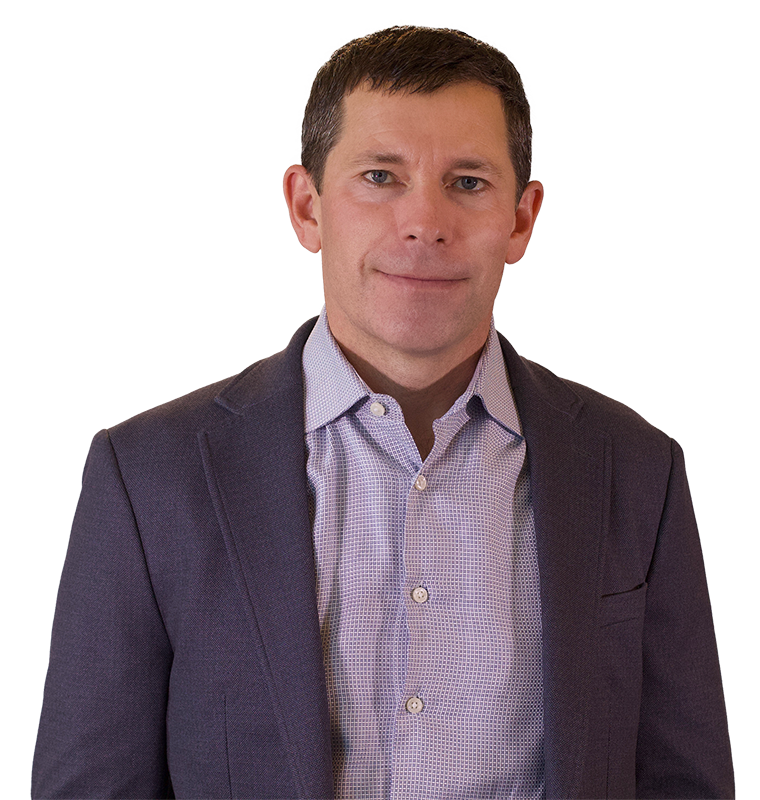
Q&A
CHM: Before you became a scientist, you were a teacher. How does your lived experience as an educator inform and shape your research?
MH: Teaching taught me a lot about human relationships, and the relationship between relational quality and human growth and development.
In America at least, schools were developed to give students the information and strengthen the characteristics required to contribute to society and a participatory democracy. Although well intentioned, the last few decades of educational policy have focused on educational outcomes defined by the demonstration of knowledge (e.g., standardized tests). One problem with this approach is that information is worth less every day as technology provides access to vastly more information than a human being can ever possess. The second is that in this world of information overload, what matters most is our ability to evaluate the validity of information and synthesize good information into new meaning. These higher level abilities depend on knowledge but, more importantly, on the same sorts of characteristics that are needed to contribute productively to society: critical thinking, open-mindedness, inquiry etc.
Current events suggest that we are collectively losing the ability to critically evaluate information and put good information to good use.
Moreover, focusing on standardized achievement appears to have made teaching less enjoyable and more stressful. Teacher stress degrades teacher-student relationships, which in turn has negative effects on student learning and development.
A guiding aspiration of my research is to demonstrate that educating wellbeing and its constituent skills not only improves educator and student wellbeing, it enhances academic learning while strengthening prosocial characteristics that are necessary to a functional democratic society.
CHM: Could you tell us about some of your latest studies and/or findings? What has surprised you about the results and why?
MH: The most exciting recent findings come from forthcoming studies that tested whether improving individual wellbeing has detectable effects on either the systems that they work in or the people that they work with.
While I can’t say they were surprising, the results were encouraging. In both studies, one with teachers and the other with healthcare workers, a wellbeing training improved not only teacher/healthcare worker wellbeing, but also had benefits on students in the case of teachers and health system productivity in the case of healthcare workers.
CHM: What keeps you passionate about your work?
MH: As one of my favorite musicians sang, “So much trouble in the world.” - Bob Marley


(From left) Center for Healthy Minds collaborator Scott Anderson, Dr. Matt Hirshberg and Dr. Richie Davidson, CHM director and founder, at the Richard J. Davidson Academic Celebration.
CHM: When you’re not working, what do you like to do in your free time?
MH: Hang out with family and friends, meditate, ski, surf, exercise, listen to music, enjoy good food, walk my dog, read a good book, watch a good movie, and build stuff (usually out of wood).
CHM: What’s one place you’ve traveled or lived that influenced your work?
MH: Probably Japan more than any other place. I worked in schools there and their educational system is very different from ours. The benefits were really clear, as were some of the costs relative to our approach.
CHM: You aspire to have your research inform the creation of educational systems that are holistic, equitable, and compassionate. Tell us more about what you think this looks like?
MH: I’m an idealist when it comes to thinking about the potential of education to benefit individuals and the world. But a successful educational system, in my view, will train the intellect and the heart.
Maximizing the intellect will not maximize wellbeing or the intention of that intellect to benefit the world. So, we really need to rigorously train the mind and our capacity for generosity, kindness and compassion. And, while difficult, the more inclusive our perspectives are, the broader our generosity, kindness and compassion extends, and the greater the potential for an equitable society and world becomes.
Of course, where policies promote inequities, policies also must change.
CHM: How do you hope your work will impact the world/other science around the world?
MH: An indication that the work that I and others do is having an effect is that we will begin to see systems (educational, healthcare, societal) shift in ways that emphasize the importance of supporting the health and development of the individuals who are not only served by but work in those systems. In other words, wellbeing and wellbeing skills development will become an integral part of the goal of these systems.
CHM: How can the Healthy Minds community support and follow your work? What does donor support mean to your work?
MH: The biggest thing the Healthy Minds community can do to support the work is to stay engaged and within your spheres of influence let others know why this work is important. In addition, more now than any other time I have been involved in research, financial support is essential. The primary funding source for educational research has issued almost no research grants over the last two years. The next step in our educational work, for example, is a very large trial testing the impacts of teacher wellbeing training on students outcomes. For the past couple of years there has not been a typical funding opportunity for this kind or scale of research.
CHM: What else do you want people to know?
MH: We seem to be at a moment in history where there is a reconsideration of what is important. Highlighting the development of wellbeing as a central purpose of education, healthcare and, more generally, human development is not at all new, but in the midst of rapid AI advancements and associated fears, and the untethering of the late 20th century world, refocusing on wellbeing as central purpose of our systems, not an antidote or something tangential, is critically important.
Watch Now
Learn more about Dr. Matt Hirshberg's research, as he presents a 5-minute "data blitz" that was part of the the Richard J. Davidson Academic Celebration held in summer 2026.
Latest News
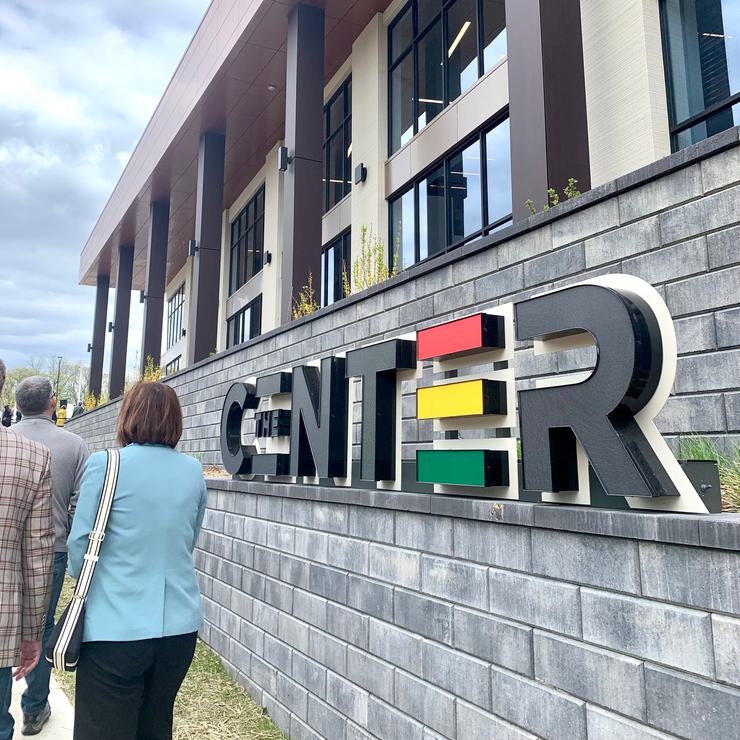
Center for Black Excellence and Culture and CHM Launch Initiative to Advance Black Wellbeing
November 10, 2026
Supported by a $247,000 Dana Foundation grant, this collaboration welcomes Civic Science Fellow Dr. Easton James Davis to lead community-driven... Learn More >

Headphones: Blocking Out the World?
November 6, 2026
While headphones help fight boredom, they may also contribute to Gen Z’s growing loneliness. Learn More
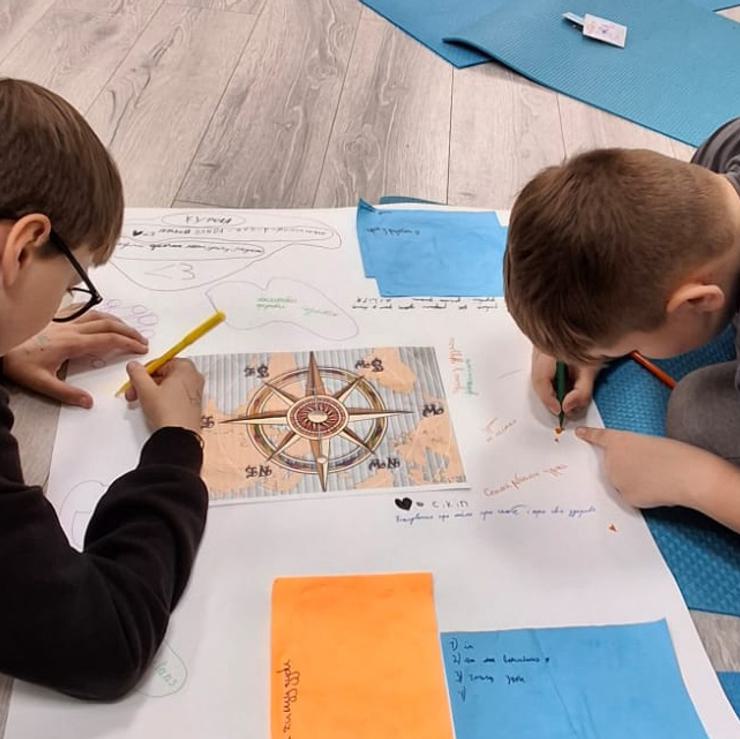
New Study on a School-based Wellbeing Intervention to Promote Mental Health in Children of War
November 3, 2026
A team of international researchers, including University of Wisconsin–Madison’s Center for Healthy Minds (CHM) honorary fellow Dr. Perla Kaliman... Learn More >