
‘Mindful Eco-Wellness’ Could Improve Your Health and Help the Planet, New Study Finds
April 17, 2024
Just in time for Earth Day, UW researchers see initial positive results from a program that combines mindfulness, health, well-being and sustainability.
About 10 years. That’s how much time we have left to slow the catastrophic effects of climate change and decrease the world’s greenhouse gas emissions, according to a report by the United Nations. As greenhouse gas emissions are causing the Earth’s temperature to rise, at the same time, health epidemics like obesity and diabetes are widespread in the U.S.
If this worries you, then you’ll want to know more about a recently published study from University of Wisconsin–Madison researchers, just in time for Earth Day.
The Mindful Eco-Wellness study found that people who participated in a two-month “Mindful Eco-Wellness” program that combines health and sustainability education with mindfulness practices, saw positive results – both for themselves and for the planet.
Program participants' mental and physical health and well-being improved, all while they learned how to reduce their carbon footprint. Specifically, anxiety, depression and fatigue levels decreased and physical health increased in a statistically significant way.
Even though this was a small pilot study, researchers say initial findings show promise to offer a mutually beneficial way to improve personal health and also the health of the planet.
Center for Healthy Minds (CHM) core faculty member Simon Goldberg says the Mindful Eco-Wellness study is one of very few that focuses on the effects of teaching well-being and sustainability together. A previous 2023 study led CHM researchers, including Goldberg and CHM graduate researcher Kevin Riordan, to believe that mindfulness meditation training alone may not be enough to get people to behave in more eco-friendly ways.
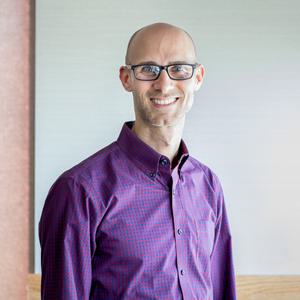
To date, researchers have done six pilot studies on the Mindful Eco-Wellness program (formerly called “Mindful Climate Action”) and have refined the curriculum based on study findings and participant feedback.
Riordan says we need more research on programs like this to understand ways for people to cultivate more eco-friendly lifestyles.
“These initial data are promising and important,” he says. “There isn't much evidence yet for whether or how certain meditation practices might support that change process.”

The most recent version of the program includes weekly group classes (as part of one’s medical care) along with suggested individual “homework” for participants. Each week focuses on different ecological themes, including air, water, food, energy, transportation, nature connectedness and ethics.
The effects of chronic illness and climate crisis are only becoming more urgent, which is why researchers are looking to more thoroughly develop and test this program, says lead researcher Bruce Barrett, who is a family doctor and professor in the UW–Madison Department of Family Medicine and Community Health.
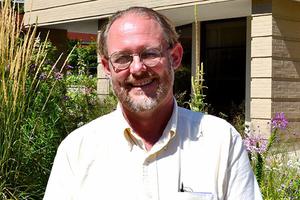
“[The program] has shown encouraging potential across several pilot studies and is now ready for rigorous experimental testing,” Barrett says.
Further research will include larger groups of participants, the use of a control condition and more considerations for potential participant bias.
By Victoria Vlisides, CHM Digital Content Editor
Latest News

Exploring the Science of Wellbeing: The Healthy Minds Framework Explained
October 8, 2026
The Healthy Minds Framework, a groundbreaking scientific model first outlined by experts from CHM, identifies the core pillars of wellbeing:... Learn More >

Find your purpose in 4-minutes | Dr. Cortland Dahl
October 1, 2026
Dr. Cortland Dahl shares how reflecting on the people who inspire us can help clarify our values, strengthen our sense of purpose, and guide how we... Learn More

OnWisconsin: Could a Workout Before Therapy Make Your Session More Effective?
September 29, 2026
CHM-affiliated faculty member Dr. Jacob Meyer, with support from Dr. Simon Goldberg, explores how exercise before therapy may improve engagement... Learn More