
New Study on a School-based Wellbeing Intervention to Promote Mental Health in Children of War
November 3, 2026
A team of international researchers, including University of Wisconsin–Madison’s Center for Healthy Minds (CHM) honorary fellow Dr. Perla Kaliman and founder and director Dr. Richard J. Davidson has released evidence that school-based wellbeing interventions incorporating mindfulness and self-compassion training may represent promising approaches for reducing trauma-related symptoms in children exposed to adversity. The study was led by the French nonprofit organization Generation Alpha Minds with the collaboration of the Ukrainian Mindfulness Association, the Ukrainian Catholic Association and the Luxembourg-based NGO WEGA.
Around 473 million children worldwide are at risk of psychological harm related to living in conflict zones. Exposure to armed conflict during childhood and adolescence has been linked to high risk of post-traumatic stress disorder (PTSD), depression, anxiety, self-harm and other negative outcomes. However, access to mental health services in war-affected areas can be severely limited. What if existing school infrastructures in these areas could leverage mindfulness-based interventions and wellbeing skills training for children?
A Fall 2024 study of 81 preadolescent children aged 10-12 years, from two public schools in Lviv, Ukraine, set out to measure mental health effects of war and test the feasibility and acceptability of such an intervention. Although removed from frontline combat, children and families in the western Ukrainian city remain exposed to stressors like air raid alerts, missile strikes, power outages, prolonged uncertainty, and disruption of family structures through displacement and deployment.
Participants were first screened for adverse childhood experiences (ACEs) related to exposure to traumatic, unsafe or developmentally adverse events, across family, community and social-environmental contexts. Trauma-related symptoms were then evaluated with two validated scaling systems. Finally, participants were assessed using a variety of measures, for health-related quality of life, self-compassion and mindfulness. Results showed that PTSD symptoms corresponded to lower overall wellbeing across emotional, social and self-regulation areas. Notably, higher levels of self-compassion and mindfulness were associated with lower PTSD symptoms.
The team additionally tested a school program to promote mental health in a subgroup of 34 participants in one school. Despite war-related disruptions like power outages, air-raid alarms and other security threats, all twelve sessions of the program were successfully completed. Afterwards, participants reported high levels of engagement, comprehension and perceived benefit of the program. In addition, families and school staff reported positive outcomes at home and school, including changes in children’s emotions, social and self-regulation and sharing or applying what they had learned.
Although this study highlights the psychological burden of war on preadolescent children as well as preliminary evidence of the feasibility and perceived benefits of a school-based intervention, it had limited participants and no control group due to ethical reasons. Future randomized controlled longitudinal studies with larger samples are required to evaluate the efficacy of the program in improving wellbeing and mental health. Dr. Perla Kaliman, founder and director of Generation Alpha Minds, emphasizes that “protecting children’s mental health is a humanitarian mission and an essential investment in rebuilding and strengthening communities, while sowing the seeds of a fairer, more hopeful future.”
By Heather Harris
Featured photo provided by Dr. Perla Kaliman
Latest News

Q&A: Scientist Dr. Matt Hirshberg on Training the ‘Intellect and the Heart’ in Educational Systems
November 13, 2026
Over a decade with CHM, Dr. Matt Hirshberg’s core academic research focuses on meditation, compassion, and wellbeing specifically within... Learn More >
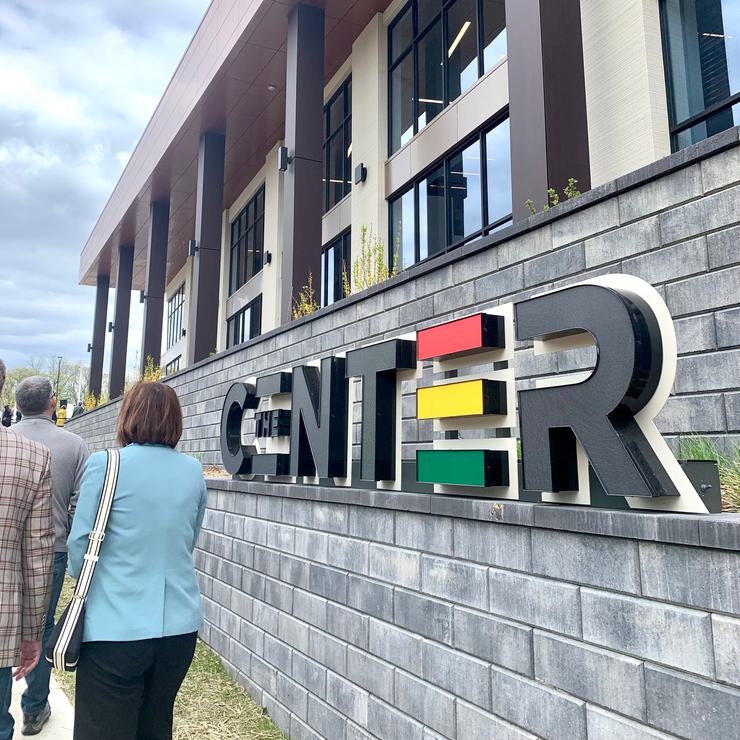
Center for Black Excellence and Culture and CHM Launch Initiative to Advance Black Wellbeing
November 10, 2026
Supported by a $247,000 Dana Foundation grant, this collaboration welcomes Civic Science Fellow Dr. Easton James Davis to lead community-driven... Learn More >

Headphones: Blocking Out the World?
November 6, 2026
While headphones help fight boredom, they may also contribute to Gen Z’s growing loneliness. Learn More