Brain imaging reveals how mindfulness program boosts pain regulation
July 28, 2022
Brain imaging reveals how mindfulness program boosts pain regulation
Research at the University of Wisconsin–Madison’s Center for Healthy Minds has isolated the changes in pain-related brain activity that follow mindfulness training — pointing a way toward more targeted and precise pain treatment.
The study, published today (July 27) in The American Journal of Psychiatry, identified pathways in the brain specific to pain regulation on which activity is altered by the center’s eight-week Mindfulness Based Stress Reduction course.
These changes were not seen in participants who took a similar course without the mindfulness instruction — important new evidence that the brain changes are due to the mindfulness training itself, according to Joseph Wielgosz, who led the work while he was a graduate student at UW–Madison and is now a postdoctoral researcher at Stanford University. The study is the first to demonstrate pain-related brain changes from a standardized mindfulness course that is widely offered in clinical settings.
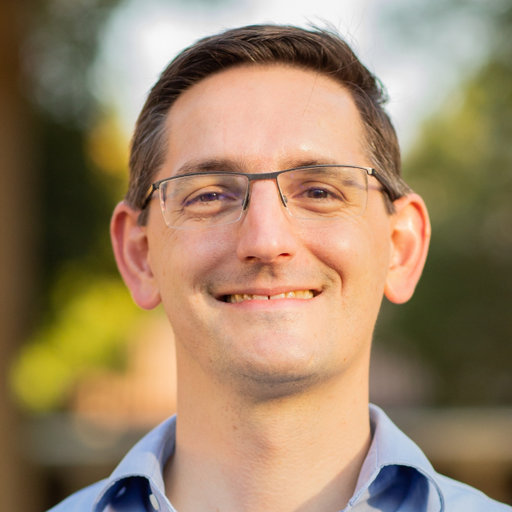
Joseph Wielgosz
Around one-third of Americans experience pain-related problems, but common treatments — like medications and invasive procedures — don’t work for everyone and, according to Wielgosz, have contributed to an epidemic of addiction to prescription and illicit drugs.
Popular with patients and promising in its clinical outcomes, mindfulness training courses like MBSR have taken a central place in the drive for a more effective approach to pain management. By practicing nonjudgmental, “present-centered” awareness of mind and body, participants can learn to respond to pain with less distress and more psychological flexibility — which can ultimately lead to reductions in pain itself.
To measure neural pain response, study participants had their brains scanned while receiving a carefully controlled heat-based stimulus on their forearm. The researchers recorded two brain-wide signatures of pain-related activity, developed by collaborator Tor Wager, a professor of neuroscience at Dartmouth College. This innovative technique dramatically improves the ability to detect pain-related signals in the brain’s complex activity. Changes in signatures can also be more easily interpreted in psychological terms.
Participants in the MBSR course showed reduction in a signature associated with the sensory intensity of pain.
“Our finding supports the idea that for new practitioners, mindfulness training directly affects how sensory signals from the body are converted into a brain response,” says Wielgosz, whose work was supported by the National Institutes of Health.
The study also looked at longer-term mindfulness training. Intriguingly, practice on intensive meditation retreats was associated with changes in the neural signature for influences that shape pain indirectly — for example, differences in attention, beliefs and expectations, factors that often increase the perceived levels of distress in non-meditators.
“Just like an experienced athlete plays a sport differently than a first-timer, experienced mindfulness practitioners seem to use their mental ‘muscles’ differently in response to pain than first-time meditators,” Wielgosz says.
These findings help show the potential for mindfulness practice as a lifestyle behavior.
The study is also significant for the field of pain research in its use of brain-based measures of pain alongside the subjective ratings of the participants in a randomized trial. Pain researchers have long sought ways to biologically measure the effect of treatment.
“Looking at neural signatures together with patient experiences revealed insights about mindfulness that we could never have detected through either one alone,” Wielgosz says.
Thus, in addition to the insights it provides about mindfulness, the researchers believe that their study can also provide a model for future research, helping to untangle the complexity of pain and ultimately reduce the burden it places on our lives.
- Dr. Joe Wielgosz and Heather Harris
This work was supported by a grant from NIH’s National Center for Complementary and Alternative Medicine (P01AT004952).
Latest News

Find your purpose in 4-minutes | Dr. Cortland Dahl
October 1, 2026
Dr. Cortland Dahl shares how reflecting on the people who inspire us can help clarify our values, strengthen our sense of purpose, and guide how we... Learn More

OnWisconsin: Could a Workout Before Therapy Make Your Session More Effective?
September 29, 2026
CHM-affiliated faculty member Dr. Jacob Meyer, with support from Dr. Simon Goldberg, explores how exercise before therapy may improve engagement... Learn More

How Just 5 Minutes of Meditation Can Change Your Brain
September 25, 2026
CHM Founder and Director Dr. Richie Davidson explores neuroplasticity, mindfulness, and how just five minutes of daily practice can help build new... Learn More